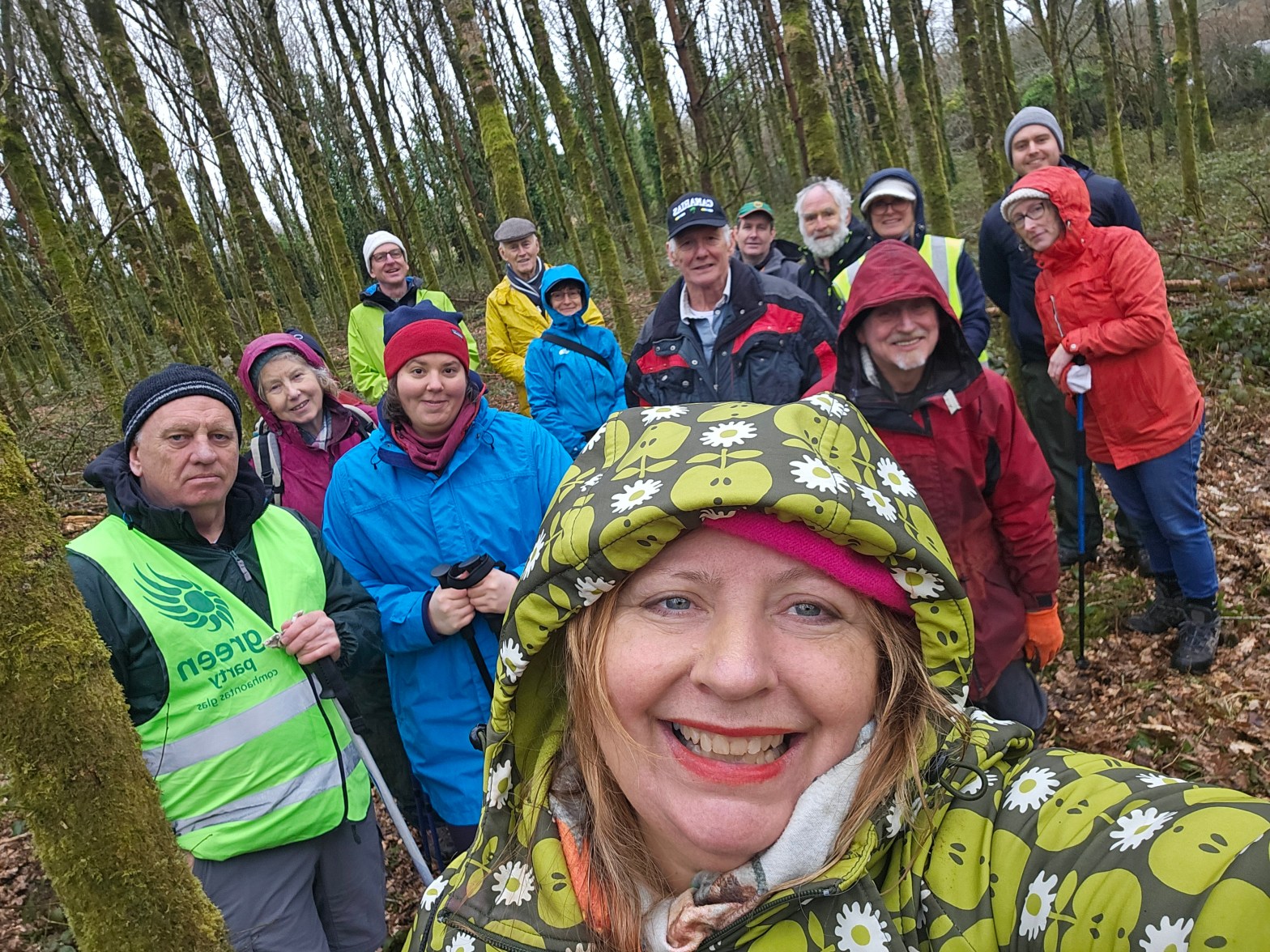
Concerns over resilience of Trees to Climate Change.
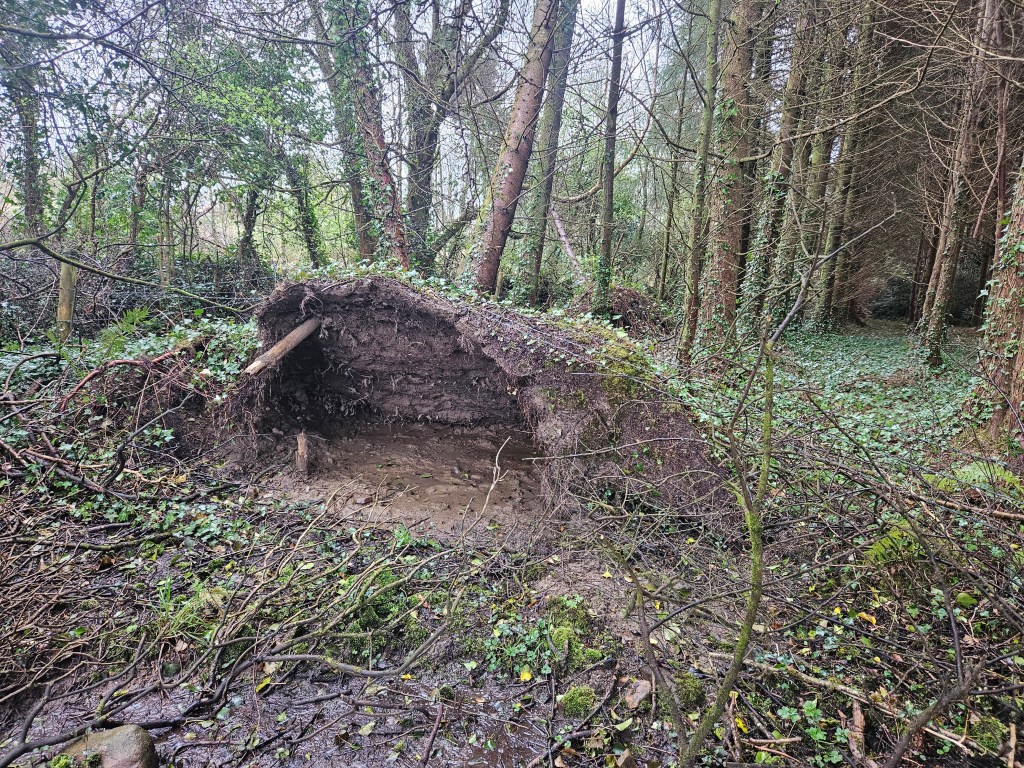
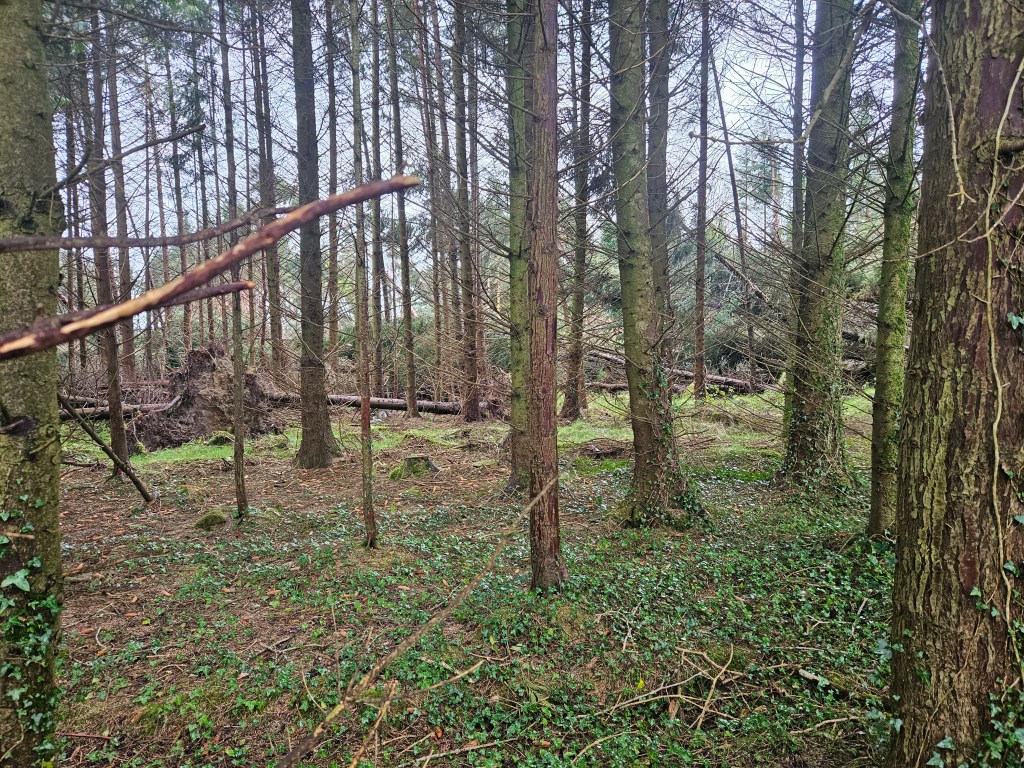
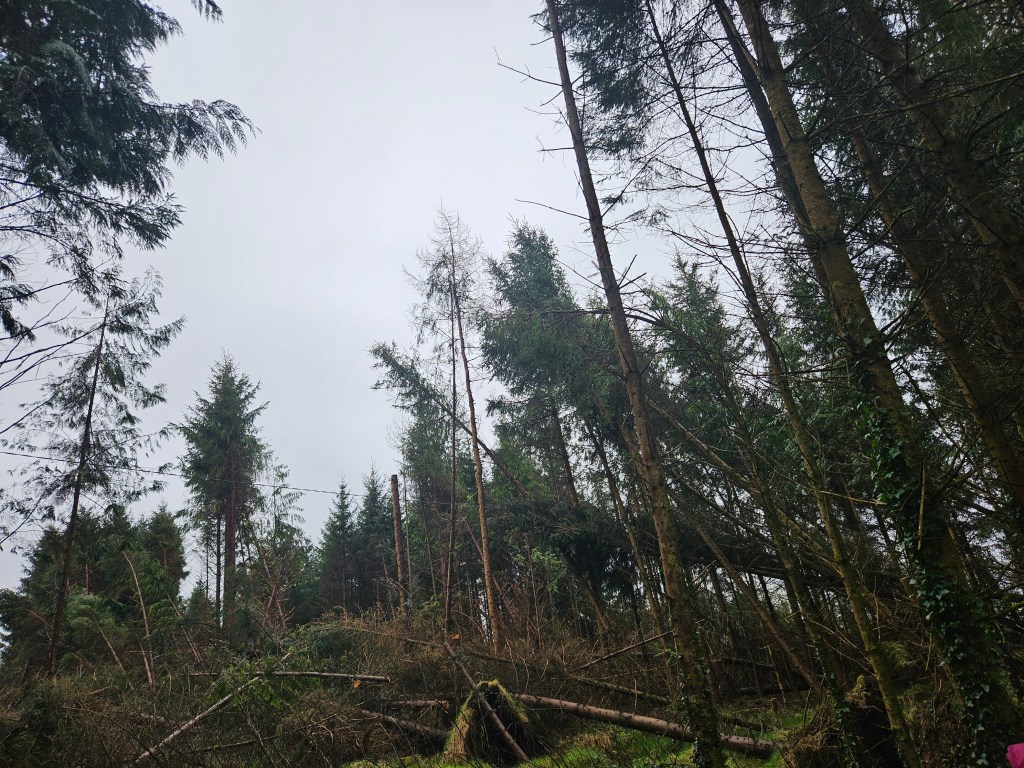
Storm Éowyn toppled over 10,000 trees at the National Trust’s Mount Stewart estate in Co. Down, with damage also reported across other National Trust properties in Northern Ireland. Coillte, the state forestry company, confirmed that the storm hit just over 11,600 hectares of its plantations. In Dublin, Fingal County Council reported 82 trees down, and the Dublin Fire Brigade reported incidents with 35 Trees.
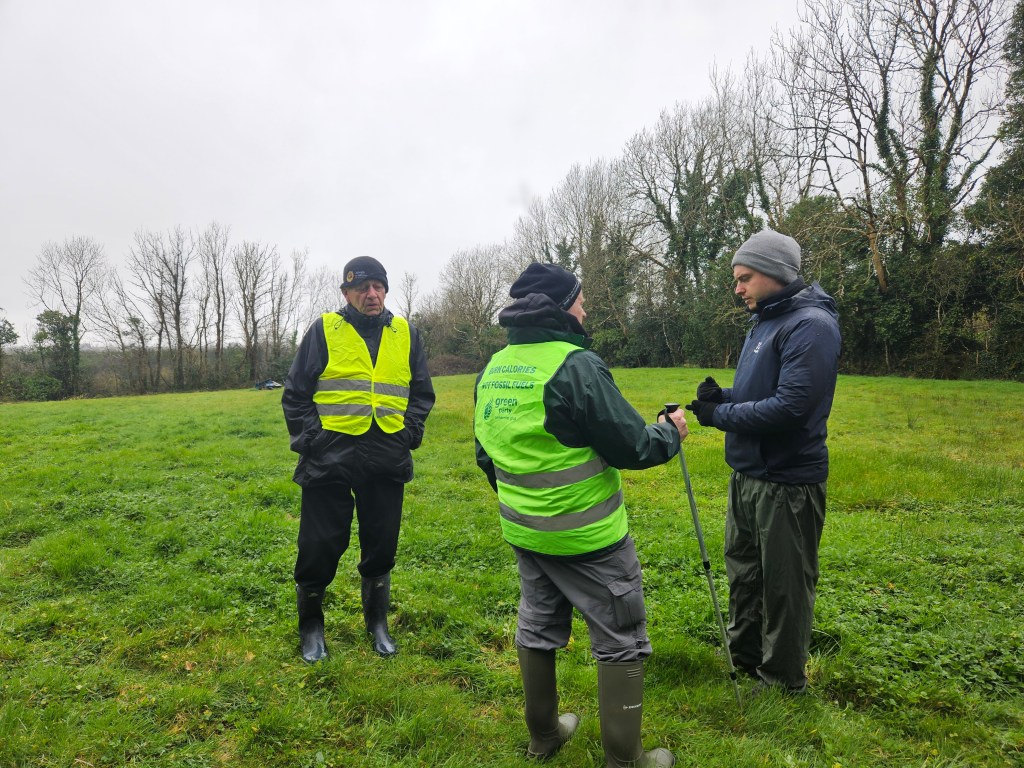
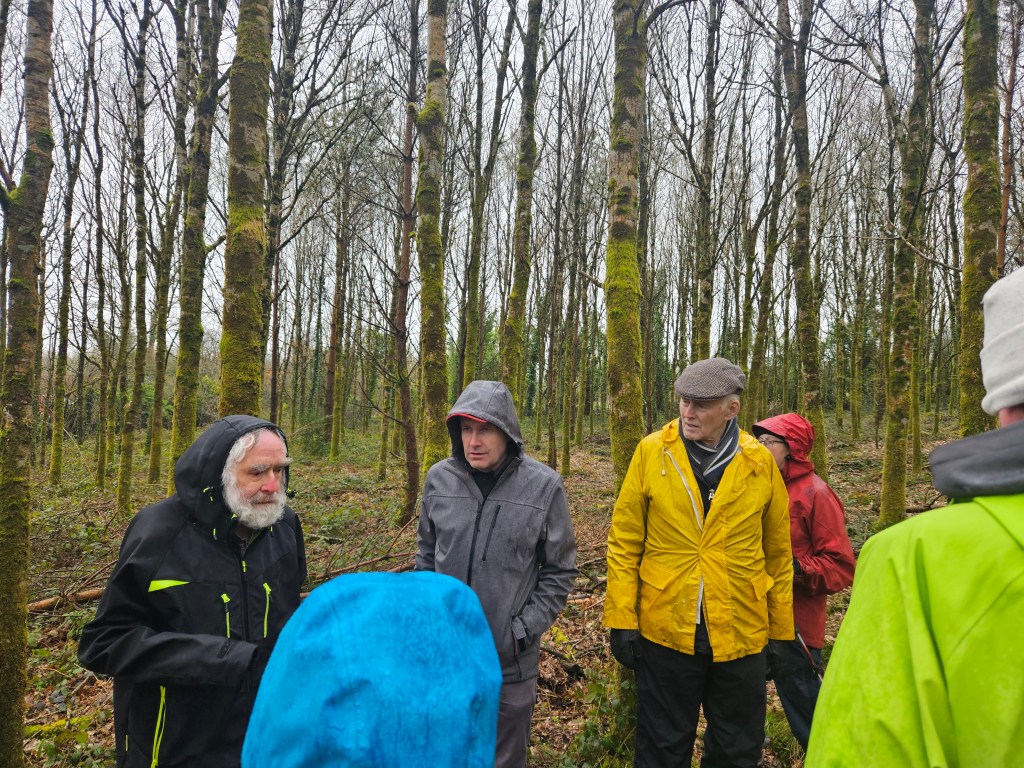
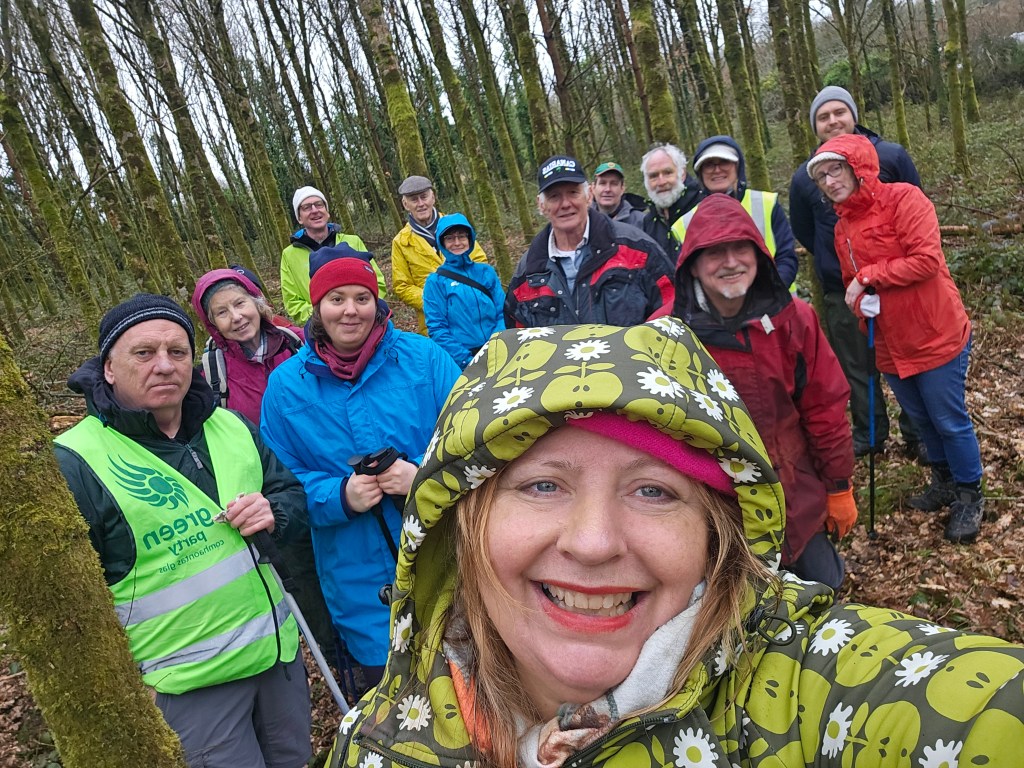
Forest Friends Ireland have been around the Country viewing the storm damage to Forests.
Overwhelmingly, the trees that have fallen are commercial spruce (82.2 per cent) and other conifers (12.7 per cent). Just 5.1 per cent are broadleaved, a category encompassing most deciduous trees such as oak, maple, beech and birch trees.
A policy of planting the right Trees in the right locations are even more important and a review of which trees will be most resilient to more frequent and intense storms due to climate change and as Ireland’s climate changes which Trees will be most resilient to drier summer’s, wetter winters and have the most decease resiliency.
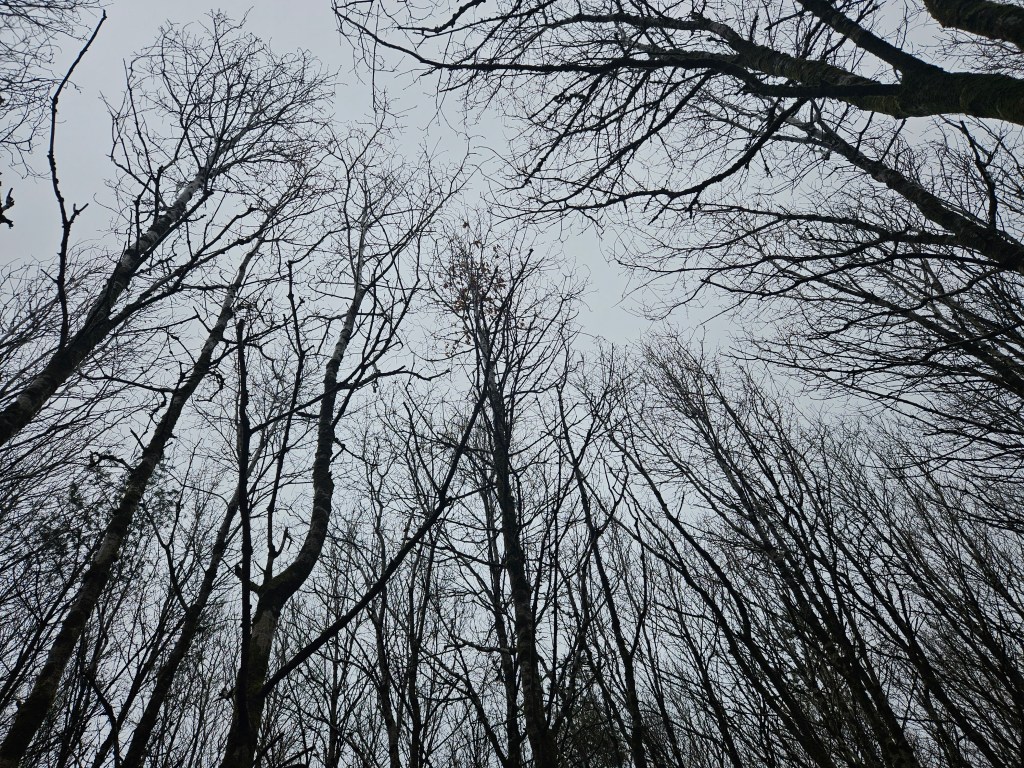
See the native oak forest still standing in North Leitrim whilst the spruce Trees have uprooted with poor root systems.
Also a review needed of the gaps, corridors for electricity lines through forests. Support needed for farmers and foresters to remove dead trees so timber can be used and land restored to more resilient close to nature biodiversity rich forests.
 Forest Friends Ireland